Your How does oxygen travel through the body images are available. How does oxygen travel through the body are a topic that is being searched for and liked by netizens now. You can Get the How does oxygen travel through the body files here. Get all royalty-free vectors.
If you’re searching for how does oxygen travel through the body pictures information related to the how does oxygen travel through the body topic, you have come to the ideal site. Our site always gives you hints for viewing the maximum quality video and picture content, please kindly hunt and locate more enlightening video content and images that fit your interests.
How Does Oxygen Travel Through The Body. The veins blue take oxygen-poor blood back to the heart. A protein called haemoglobin in the red blood cells then carries the oxygen around your body. Blood leaves the heart through the pulmonic valve into the pulmonary artery and to the lungs. What transports glucose around the body.
 The Circulatory System Is In Charge Of Moving Materials Throughout The Entire Body It Transports Circulatory System Basic Anatomy And Physiology Body Systems From pinterest.com
Blood leaves the heart through the pulmonic valve into the pulmonary artery and to the lungs. They carry oxygen-rich blood away. Inside the air sacs oxygen moves across paper-thin walls to tiny blood vessels called capillaries and into your blood. How does oxygen travel around the body. Being dissolved into blood it travels via blood through what can be called a National Highway of blood circulation. How does oxygen get into the bloodstream.
They carry oxygen-rich blood away.
A protein called haemoglobin in the red blood cells then carries the oxygen around your body. Inside the air sacs oxygen moves across paper-thin walls to tiny blood vessels called capillaries and into your blood. Once your lungs process the oxygen the oxygen-rich cells are carried to the cardiovascular network which is a massive collection of blood vessels throughout your body. The lungs blood heart and blood vessels work together to carry oxygen around the body. Blood leaves the heart through the aortic valve into the aorta and to the body. Each cell inside our body needs oxygen to stay alive.
 Source: pinterest.com
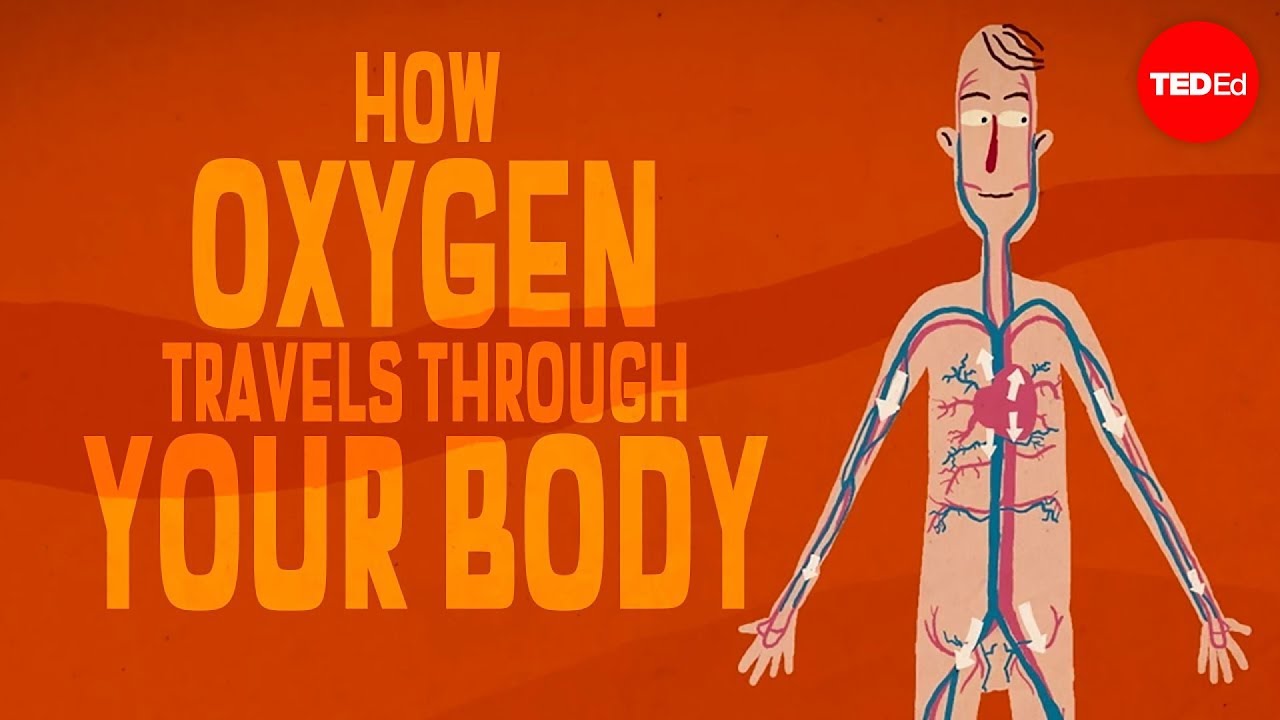
Coming back to our point-oxygen being the vital element for sustaining life it is transported to our lungs via respiration. Arteries The arteries red carry oxygen and nutrients away from your heart to your bodys tissues. Oxygens surprisingly complex journey through your body - Enda Butler - YouTube. Oxygen forms about 21 of the air around us. It is needed in each cell of the body for burning of food in order to release energy which is used for running their functions.
 Source: pinterest.com
Coming back to our point-oxygen being the vital element for sustaining life it is transported to our lungs via respiration. Oxygen enters the body through respiration via the nose mouth. The network is so lengthy that if stretched out it would be able to wrap around the Earth several times. Inside the air sacs oxygen moves across paper-thin walls to tiny blood vessels called capillaries and into your blood. Oxygen is transported throughout the body via the cardiovascular system according to the National Register of Personal Trainers or NRPT.
 Source: pinterest.com
Now you might just as well ask how oxygen reaches into every cell of the body. After absorbing oxygen the blood leaves the lungs and is carried to the heart. Air first enters the body through the nose or mouth and then goes into the larynx trachea and the lungs explains the. A protein called haemoglobin in the red blood cells then carries the oxygen around your body. How does oxygen travel through the body.
 Source: pinterest.com
Now you might just as well ask how oxygen reaches into every cell of the body. How does oxygen travel to different parts of the body from lungs. It is said that around 2000 gallons of blood travels everyday through around 60000 miles of blood vessels linking every cell and organ of the body. How does oxygen get into the bloodstream. Oxygen and carbon dioxide travels to and from tiny air sacs in the lungs through the walls of the capillaries into the blood.
 Source: pinterest.com
Each cell inside our body needs oxygen to stay alive. Inside the air sacs oxygen moves across paper-thin walls to tiny blood vessels called capillaries and into your blood. Inside the air sacs oxygen moves across paper-thin walls to tiny blood vessels called capillaries and into your blood. How does oxygen travel to different parts of the body from lungs. Oxygen and carbon dioxide travels to and from tiny air sacs in the lungs through the walls of the capillaries into the blood.
 Source: pinterest.com
How does oxygen travel through the body. How does oxygen travel to different parts of the body from lungs. Lastly thanks to your bodys powerhouse known as your heart the blood cells are. Arteries The arteries red carry oxygen and nutrients away from your heart to your bodys tissues. It is said that around 2000 gallons of blood travels everyday through around 60000 miles of blood vessels linking every cell and organ of the body.
 Source: pinterest.com
At the same time carbon dioxide that is dissolved in the blood comes out of the capillaries back into the air sacs ready to be. Oxygen enters the body through respiration via the nose mouth. Oxygen forms about 21 of the air around us. It is needed in each cell of the body for burning of food in order to release energy which is used for running their. The network is so lengthy that if stretched out it would be able to wrap around the Earth several times.
 Source: pinterest.com
Enda Butler tracks the surprisingly complex journey of oxygen through your body. How does oxygen travel to different parts of the body from lungs. It is an important question for understanding the circulation of the non-metallic element in every cell. Oxygen and carbon dioxide travels to and from tiny air sacs in the lungs through the walls of the capillaries into the blood. Oxygen enters the body through respiration via the nose mouth.
 Source: pinterest.com
Oxygen is breathed through the nose or mouth and travels to the lungs through the bronchial tubes then absorbed through the alveoli into the. Inside the air sacs oxygen moves across paper-thin walls to tiny blood vessels called capillaries and into your blood. Arteries are the blood vessels that carry the oxygen around the body but rather than simply being passive pipes through which the blood passes they actually have muscles in them when the heart pumps blood they are elastic and expand but as the heart relaxes the muscles in the walls of the arteries contract to push the blood onwards. A protein called haemoglobin in the red blood cells then carries the oxygen around your body. Once your lungs process the oxygen the oxygen-rich cells are carried to the cardiovascular network which is a massive collection of blood vessels throughout your body.
 Source: pinterest.com
The veins blue take oxygen-poor blood back to the heart. How does oxygen travel to different parts of the body from lungs. Blood leaves the heart through the pulmonic valve into the pulmonary artery and to the lungs. The network is so lengthy that if stretched out it would be able to wrap around the Earth several times. After reaching the lungs it gets dissolved into blood.
Source: pinterest.com
The veins blue take oxygen-poor blood back to the heart. How does oxygen get into the bloodstream. Glucose comes from the Greek word for sweet Its a type of sugar. Arteries begin with the aorta the large artery leaving the heart. Arteries The arteries red carry oxygen and nutrients away from your heart to your bodys tissues.
 Source: pinterest.com
Now you might just as well ask how oxygen reaches into every cell of the body. Inside the air sacs oxygen moves across paper-thin walls to tiny blood vessels called capillaries and into your blood. The lungs blood heart and blood vessels work together to carry oxygen around the body. It is said that around 2000 gallons of blood travels everyday through around 60000 miles of blood vessels linking every cell and organ of the body. After absorbing airway oxygen your oxygenated blood leaves the lungs and travels through the pulmonary veins to the left side of the heart.
 Source: pinterest.com
Oxygen and carbon dioxide travels to and from tiny air sacs in the lungs through the walls of the capillaries into the blood. Oxygen travels through the trachea into the bronchi of each lung. Blood leaves the heart through the pulmonic valve into the pulmonary artery and to the lungs. Where does oxygen go after the lungs. Oxygen is transported throughout the body via the cardiovascular system according to the National Register of Personal Trainers or NRPT.
 Source: ar.pinterest.com
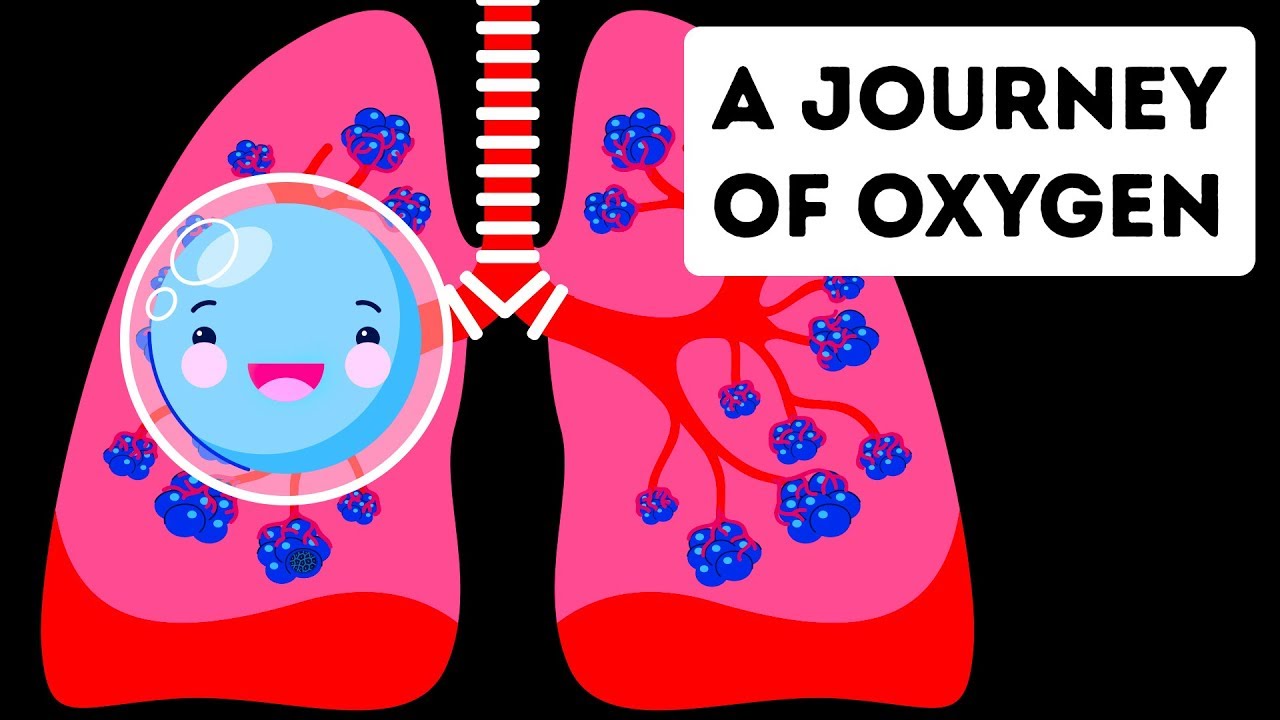
The left side of your heart has an important purpose. Oxygens surprisingly complex journey through your body - Enda Butler - YouTube. A protein called haemoglobin in the red blood cells then carries the oxygen around your body. They carry oxygen-rich blood away. Arteries The arteries red carry oxygen and nutrients away from your heart to your bodys tissues.
 Source: pinterest.com
How does oxygen travel to different parts of the body from lungs. After reaching the lungs it gets dissolved into blood. A protein called haemoglobin in the red blood cells then carries the oxygen around your body. It pumps oxygen-rich blood to the rest of your body in order to provide oxygen to the cells of your tissues and organs. Oxygen and carbon dioxide travels to and from tiny air sacs in the lungs through the walls of the capillaries into the blood.
 Source: pinterest.com
Being dissolved into blood it travels via blood through what can be called a National Highway of blood circulation. Oxygens surprisingly complex journey through your body - Enda Butler - YouTube. The left side of your heart has an important purpose. Oxygen is transported throughout the body via the cardiovascular system according to the National Register of Personal Trainers or NRPT. Inside the air sacs oxygen moves across paper-thin walls to tiny blood vessels called capillaries and into your blood.
 Source: pinterest.com
At the same time carbon dioxide that is dissolved in the blood comes out of the capillaries back into the air sacs ready to be. It pumps oxygen-rich blood to the rest of your body in order to provide oxygen to the cells of your tissues and organs. How does a molecule of oxygen travel through your nose down to your feet and out your mouth. Inside the air sacs oxygen moves across paper-thin walls to tiny blood vessels called capillaries and into your blood. Oxygen is transported throughout the body via the cardiovascular system according to the National Register of Personal Trainers or NRPT.
 Source: pinterest.com
It is an important question for understanding the circulation of the non-metallic element in every cell. It is needed in each cell of the body for burning of food in order to release energy which is used for running their. At the same time carbon dioxide that is dissolved in the blood comes out of the capillaries back into the air sacs ready to be. Where does oxygen go after the lungs. The veins blue take oxygen-poor blood back to the heart.
This site is an open community for users to submit their favorite wallpapers on the internet, all images or pictures in this website are for personal wallpaper use only, it is stricly prohibited to use this wallpaper for commercial purposes, if you are the author and find this image is shared without your permission, please kindly raise a DMCA report to Us.
If you find this site adventageous, please support us by sharing this posts to your own social media accounts like Facebook, Instagram and so on or you can also save this blog page with the title how does oxygen travel through the body by using Ctrl + D for devices a laptop with a Windows operating system or Command + D for laptops with an Apple operating system. If you use a smartphone, you can also use the drawer menu of the browser you are using. Whether it’s a Windows, Mac, iOS or Android operating system, you will still be able to bookmark this website.